

In 2026, building a high-engagement social media marketing strategy is no longer optional—it’s the backbone of any successful digital brand. With ever-evolving algorithms, increasing competition, and more sophisticated user behavior, brands must go beyond basic posting and adopt a strategic, data-driven approach.
This guide will walk you through exactly how to create a high-engagement social media marketing strategy that drives real interaction, builds trust, and converts followers into customers.
Why Engagement Matters More Than Ever
Engagement is the currency of social media. Likes, shares, comments, saves, and clicks signal value—not just to your audience, but also to platform algorithms.
Key Benefits of High Engagement:
- Increased organic reach
- Stronger brand trust and loyalty
- Higher conversion rates
- Lower advertising costs
- Better algorithm performance
Platforms like Instagram, TikTok, and LinkedIn prioritize content that keeps users active. If your strategy doesn’t focus on engagement, you’re essentially invisible.
Step 1: Define Clear Audience Personas
Before creating content, you need to deeply understand your audience.
Ask These Questions:
- Who is your ideal customer?
- What problems are they trying to solve?
- Which platforms do they use most?
- What type of content do they engage with?
Example Audience Segments:
- Entrepreneurs looking for growth strategies
- E-commerce brands seeking paid ad optimization
- Agencies needing reliable ad accounts
By identifying these personas, your high-engagement social media marketing strategy becomes highly targeted and effective.
Step 2: Choose the Right Platforms
Not all platforms are created equal. Focus on where your audience is most active.
Platform Comparison Table
| Platform | Best For | Engagement Type | Content Format |
|---|---|---|---|
| Visual brands | Likes, Comments | Reels, Stories, Posts | |
| TikTok | Viral growth | Shares, Views | Short-form videos |
| B2B marketing | Comments, Clicks | Articles, Carousels | |
| Community building | Shares, Groups | Mixed content | |
| X (Twitter) | Real-time engagement | Replies, Retweets | Short text updates |
Pro Tip: Focus on 2–3 platforms and dominate them instead of spreading too thin.
Step 3: Create Value-Driven Content
Content is the engine of your strategy. But not just any content—engaging content.
High-Performing Content Types in 2026:
- Educational content (how-to guides, tips)
- Behind-the-scenes content
- User-generated content (UGC)
- Interactive content (polls, quizzes)
- Storytelling posts
- Short-form videos
Content Formula:
Value + Emotion + Clarity = Engagement
Step 4: Use a Content Calendar
Consistency builds trust and algorithm momentum.
Weekly Content Structure Example:
- Monday: Educational post
- Tuesday: Behind-the-scenes
- Wednesday: Carousel or infographic
- Thursday: Video content
- Friday: Engagement post (question/poll)
- Weekend: Light or entertaining content
A structured calendar ensures your high-engagement social media marketing strategy remains consistent and scalable.
Step 5: Leverage Paid Advertising Strategically
Organic reach is powerful—but combining it with paid ads is where real growth happens.
Why Paid Ads Matter:
- Accelerate reach
- Target specific audiences
- Retarget engaged users
- Increase conversions
This is where KayoAds provides a major competitive advantage.
KayoAds Advantages:
- Suspension-proof accounts (critical for scaling ads safely)
- Instant balance top-ups (no campaign
 interruptions)
 - 24/7 dedicated human support
- Verified status for higher trust and performance
For serious marketers, using agency-level ad accounts (Google, Meta, TikTok) can significantly improve campaign stability and ROI.
Step 6: Optimize Posting Times and Frequency
Timing affects engagement more than most people think.
Best Practices:
- Post when your audience is most active
- Test different time slots
- Use analytics tools to refine timing
General Guidelines:
- Instagram: 3–5 posts per week
- TikTok: 5–7 posts per week
- LinkedIn: 2–4 posts per week
Consistency + timing = maximum visibility.
Step 7: Engage With Your Audience Actively
Engagement is a two-way street.
What You Should Do:
- Reply to comments quickly
- Respond to DMs
- Engage with followers’ content
- Ask questions in captions
- Use call-to-actions (CTAs)
Example CTAs:
- “What do you think?”
- “Comment your experience”
- “Save this for later”
- “Tag a friend who needs this”
The more you interact, the more the algorithm rewards you.
Step 8: Use Data and Analytics
A successful high-engagement social media marketing strategy is data-driven.
Key Metrics to Track:
- Engagement rate
- Reach and impressions
- Click-through rate (CTR)
- Conversion rate
- Follower growth
Tools You Can Use:
- Native platform analytics
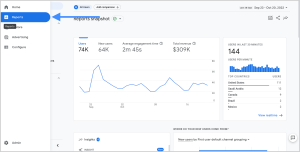
- Google Analytics
- Social media management tools
Analyze, adjust, and optimize continuously.
Step 9: Implement Funnel-Based Content Strategy
Your content should guide users through a journey.
Funnel Breakdown:
Top of Funnel (Awareness)
- Educational content
- Viral posts
- Short videos
Middle of Funnel (Consideration)
- Case studies
- Testimonials
- Comparisons
Bottom of Funnel (Conversion)
- Offers
- Product demos
- Direct CTAs
This structured approach increases both engagement and conversions.
Step 10: Integrate with Your Website and Services
Social media should not exist in isolation.
Internal Strategy Integration:
- Link to your SEO services for organic growth
- Promote your web design services for brand authority
- Direct users to agency ad accounts for scaling campaigns
- Offer solutions for account suspension recovery
This ecosystem approach turns engagement into revenue.
Common Mistakes to Avoid
Even experienced marketers make these mistakes:
- Posting without a strategy
- Ignoring analytics
- Focusing only on selling
- Not engaging with the audience
- Using low-quality visuals
- Inconsistent posting
Avoiding these pitfalls will significantly improve your results.
Final Thoughts
Building a high-engagement social media marketing strategy in 2026 requires a blend of creativity, data, and the right tools.
To summarize:
Key Takeaways:
- Know your audience deeply
- Focus on the right platforms
- Create valuable, engaging content
- Stay consistent with a content calendar
- Combine organic and paid strategies
- Use reliable ad infrastructure like KayoAds
- Continuously analyze and optimize
If you want to scale faster, reduce risk, and maximize ROI, leveraging advanced solutions like suspension-proof accounts, instant top-ups, and dedicated support can give you a serious edge over competitors.
For deeper insights into social media trends and engagement benchmarks, refer to this comprehensive guide by HubSpot

Website desgin
Using our website design and development service with KayoAds

Android & IOS
Broaden your business horizons with top-notch mobile app development services

SEO Tools
At Kayoads, we specialize in delivering top-notch SEO optimize services